
Cross Border
Where Blockchain Fits in Cross-Border Money Movement
Where do blockchain cross-border payments actually fit in your stack? A guide for the platforms, fintechs, and marketplaces moving money across borders.
Cross-border payments cost 6%+ and take days. Here's exactly how money moves between countries, where fees stack up, and what modern rails are doing to fix it.
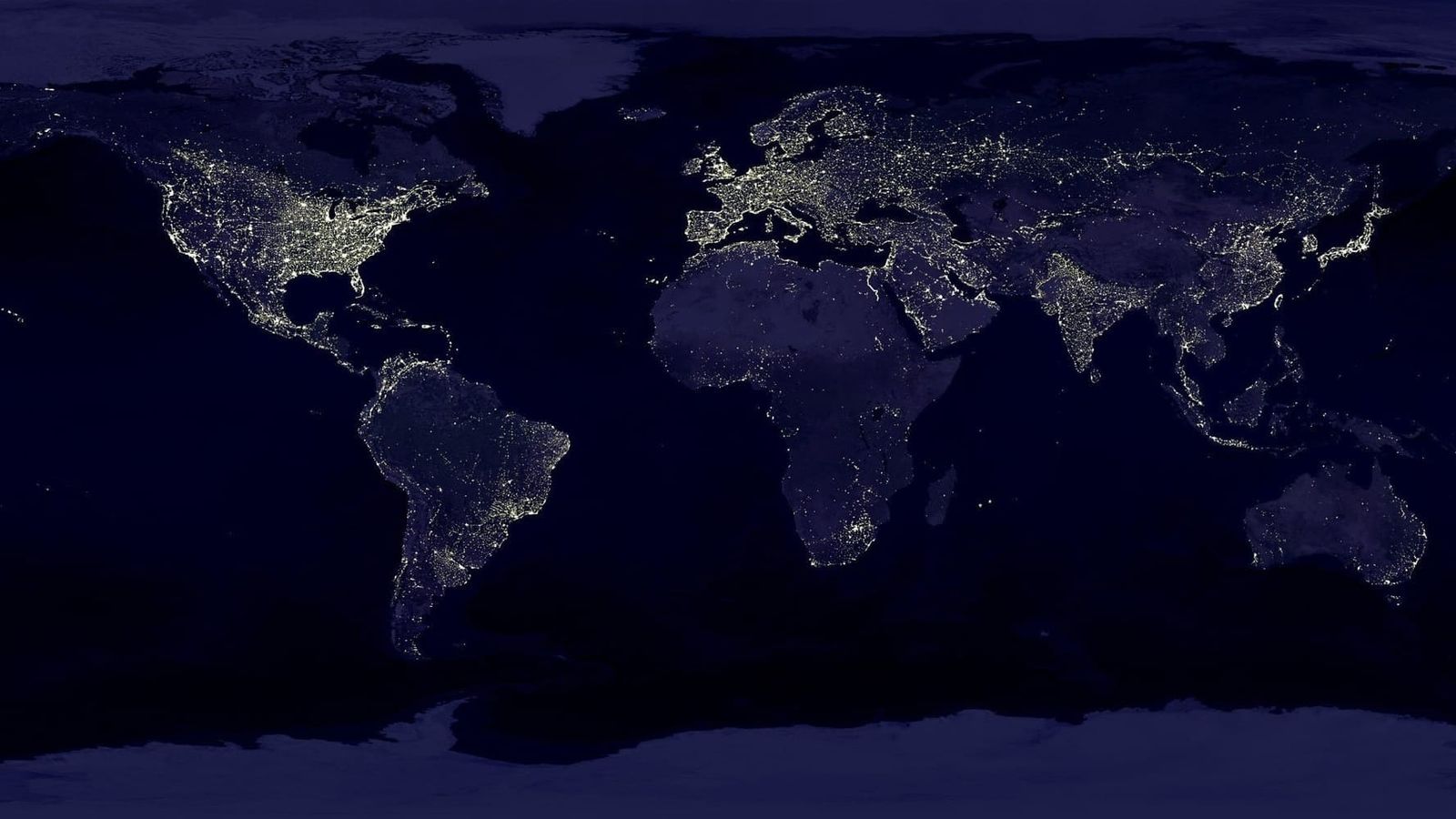
You can send a photo to someone in Jakarta in under a second. Sending $500 takes three to five business days and costs roughly 6% in fees.
The cross-border payments market is projected to exceed $320 billion in revenue by 2030, yet the rails that carry it have barely changed since SWIFT launched in 1977.
Here's what actually happens when money crosses a border, where the costs pile up, and what you can do about it.
Follow a real scenario: a U.S. marketplace owes a seller in the Philippines $1,000.
The result? That $1,000 arrives as roughly $940, three to five days later. The seller never learns which bank took what.
Each link in the correspondent banking chain adds friction and cost. Understanding where value leaks is the first step to fixing it.
Correspondent banking fees are the most visible cost. Each intermediary charges $15–$50 per transaction. Route a payment through two intermediaries and $30–$100 disappears in handling fees alone, deducted from the payment in transit so the recipient gets less than the sender intended.
FX markups are often the largest cost and the least visible. Banks rarely offer mid-market exchange rates. A 2% markup on a $100,000 B2B invoice costs $2,000 before wire fees even enter the picture. The sender sees a "competitive rate." The margin is buried.
Beyond direct fees, the process itself creates drag. Many banks process international payments in batches, not real-time. Payments initiated after a cutoff wait until the next business day, or longer over weekends and holidays. Compliance screening happens at every hop, with each intermediary applying its own risk models. Duplicate checks across multiple banks create delays with no added security benefit.
Failed payments make it worse. Incorrect routing numbers, mismatched beneficiary names, or unsupported account formats cause payments to bounce back through the same chain, incurring return fees and additional delays.
According to the World Bank's Q1 2025 Remittance Prices Worldwide report, the global average cost of sending $200 internationally is 6.49%, more than double the UN's Sustainable Development Goal target of 3%. Digital-only providers average around 4.85%, while non-digital channels run 7.16%.
Stablecoins like USDC allow businesses to settle cross-border payments without routing through intermediary banks. Value moves on blockchain rails in minutes, not days, eliminating correspondent bank queues and batch windows entirely. McKinsey's 2025 Global Payments Report described stablecoins as a real-time alternative to the traditional correspondent banking network.
For platforms paying global sellers, contractors, and gig workers, this is the single biggest unlock: settlement that matches the speed of business, not the speed of 1970s infrastructure.
Domestic fast payment systems are linking across borders. Singapore and Thailand connected their systems in 2021, with India and Malaysia connections following in 2023. BIS data shows over 70 countries now operate fast payment systems, and multilateral interlinking efforts are accelerating across Asia-Pacific and beyond. The goal is to make cross-border payments feel as fast as domestic ones.
ISO 20022 became the exclusive messaging standard for SWIFT cross-border payments in November 2025, replacing legacy formats. Richer, more structured data means higher straight-through processing rates and fewer manual compliance holds.
Meanwhile, single-API platforms are giving businesses access to local payment rails in dozens of countries through one integration, replacing the patchwork of regional banking relationships, vendor contracts, and reconciliation workflows. And embedded compliance is moving sanctions screening, AML checks, and fraud detection into the payment flow at initiation, so one compliance layer replaces redundant checks at every intermediary.
If you're choosing or reassessing a cross-border payments provider, these are the areas that matter most:
The right infrastructure consolidates vendor relationships, eliminates hidden FX costs, and replaces fragmented regional compliance with a single integrated system.
Slow payouts lose sellers. Opaque FX eats margins. Fragmented compliance creates risk. The gap between how businesses operate today and how money moves internationally is a tangible drag on growth.
Coinflow brings modern payment infrastructure together in a single platform: instant settlement via stablecoin rails, global pay-ins and payouts across 170+ local payment methods, transparent FX, embedded compliance, and fully indemnified chargeback protection.
If your cross-border payments still depend on correspondent banking chains and batch settlement, talk to our team about what a faster stack looks like.

Daniel is the CEO and Co-Founder at Coinflow, connecting traditional payment rails with stablecoin technology to enable instant global settlement for trusted, cross-border commerce.
Cross Border
Where do blockchain cross-border payments actually fit in your stack? A guide for the platforms, fintechs, and marketplaces moving money across borders.

Remittance
Choosing a payment gateway service for global growth? Compare Coinflow, Stripe, Adyen, Checkout.com, and Braintree on settlement, payouts, and risk coverage.

Cross Border
Global compliance now costs financial institutions $206B a year. Here's how to navigate AML, data, licensing, sanctions, and tax across markets without losing speed.